
What Happens After CNC Machines Arrive in Europe: Understanding the Execution Gap
After 40 days at sea, CNC machines arrive in Europe — but execution starts here. This case reveals the often-overlooked gap between factory validation and on-site integration.
Introduction
After 40 days at sea, machines arrive in Europe.
But execution starts here.
In many cross-border manufacturing projects, equipment may already be fully validated at the factory. However, once it reaches the customer’s site, a new phase begins — one that is often underestimated.
This is where the execution gap appears.
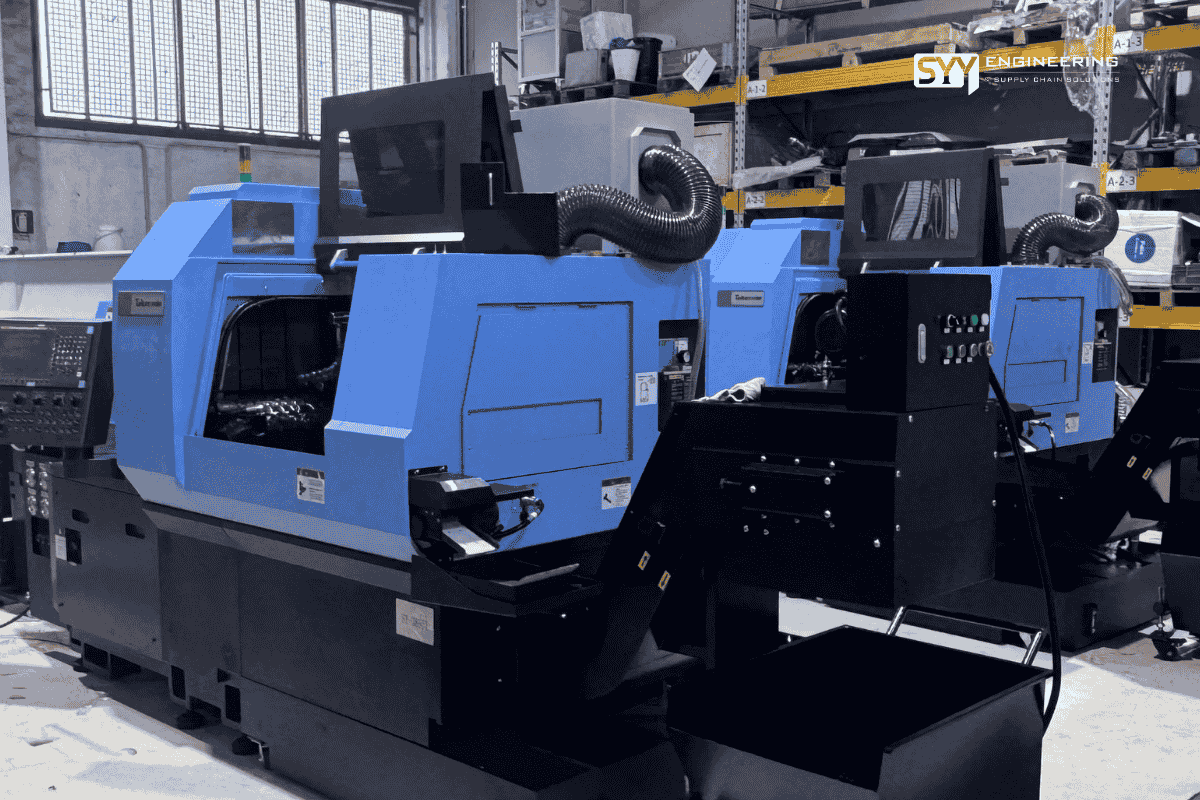
Machines arriving on site mark the beginning of execution
Project Overview
This case involves the final delivery of two Swiss-type CNC machines in Italy.
Before shipment, both machines had already completed full batch validation in China as part of a turnkey project.
From a technical perspective, everything was aligned.
However, after arrival on site, several elements required re-alignment to ensure stable production.
The Execution Gap in Cross-Border Manufacturing
The challenge is not a lack of capability.
Instead, it lies in the transition between systems.
Between factory validation and on-site execution, there is often a phase where no single party fully owns the alignment process.
This is where small but critical details can be overlooked.
Three Areas That Require Re-Alignment
1. Tooling Localization
Machines tested in China are typically configured with local tooling systems.
At the European site, tooling must be adapted to the local supply chain to ensure long-term usability.
This affects procurement, inventory and production management.
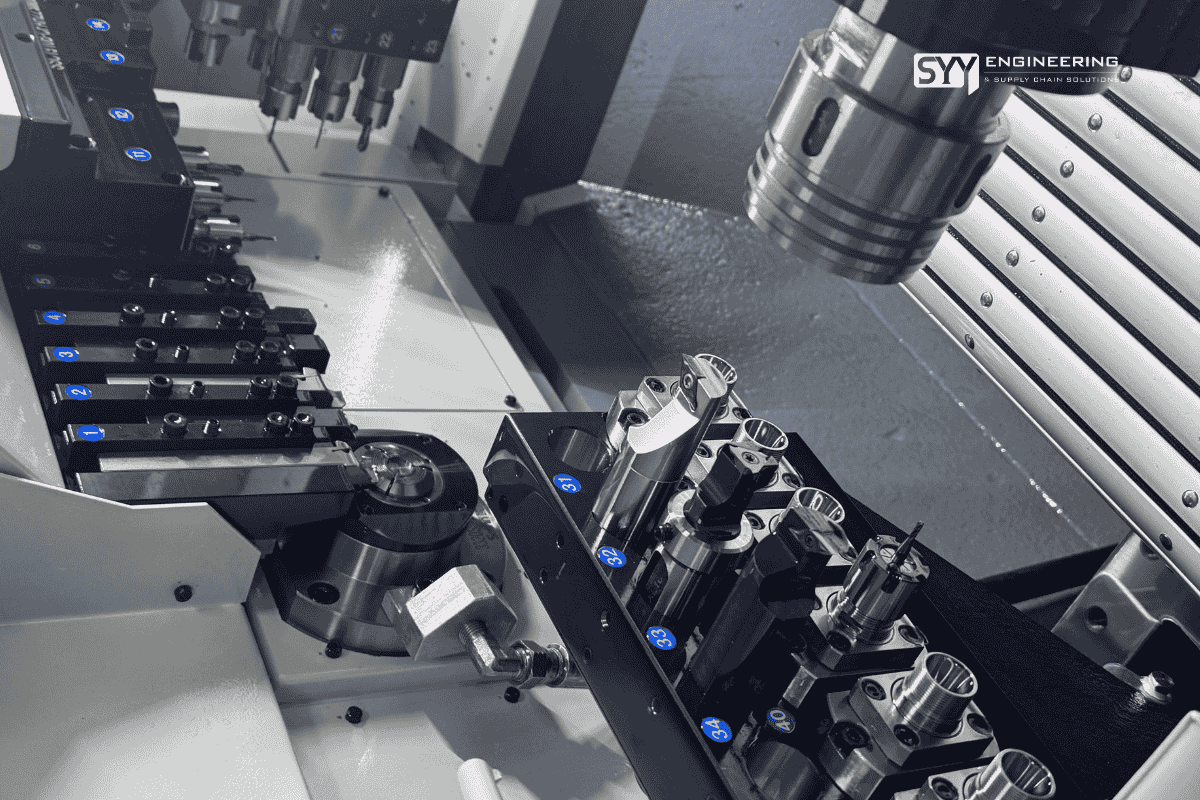
Tooling alignment between China setup and European supply chain
2. Service Readiness
Technical capability alone is not sufficient for international projects.
Long-term operation depends on structured service systems, including:
Operation manuals
Maintenance documentation
Spare parts coding
Exploded diagrams
Ensuring these elements are aligned with international usage is essential for sustainable operation.
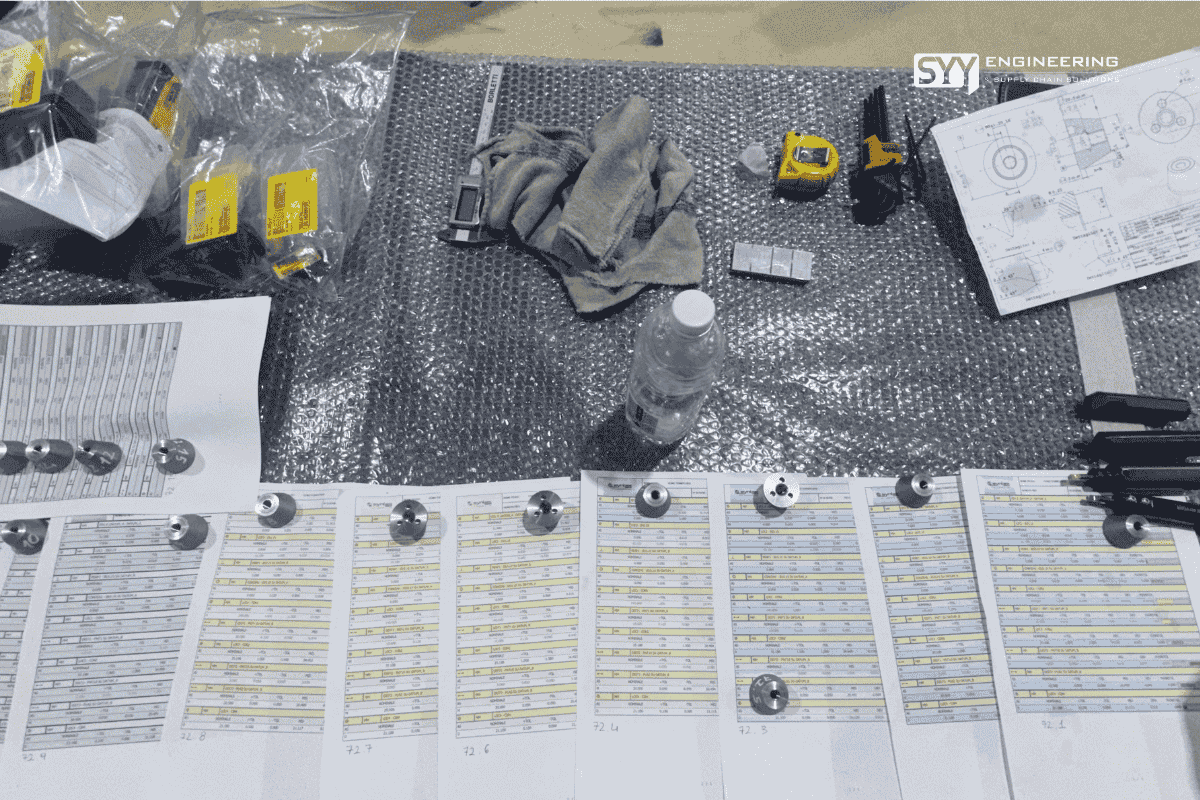
Documentation system supports long-term machine operation
3. Site Integration
Installation drawings may appear straightforward.
However, alignment between design specifications and actual site conditions requires careful verification.
Even small deviations can lead to unnecessary adjustments during installation.
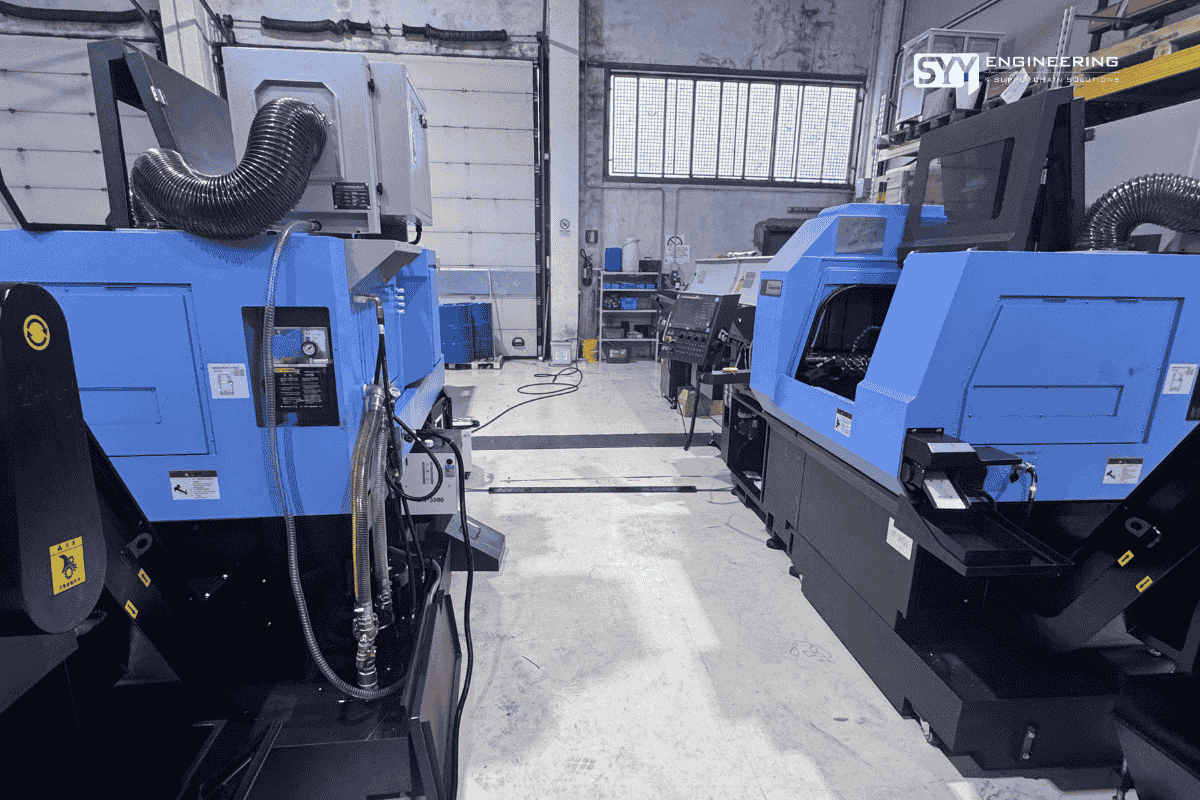
On-site verification ensures alignment between design and reality
How SYY Managed On-Site Execution
On site, SYY coordinated between the manufacturer’s engineers and the local service team.
A structured execution plan was defined:
Day 1–3: machine tuning and small batch validation
Day 4: final customer acceptance
Continuous on-site alignment ensured that all elements were connected and moving forward.
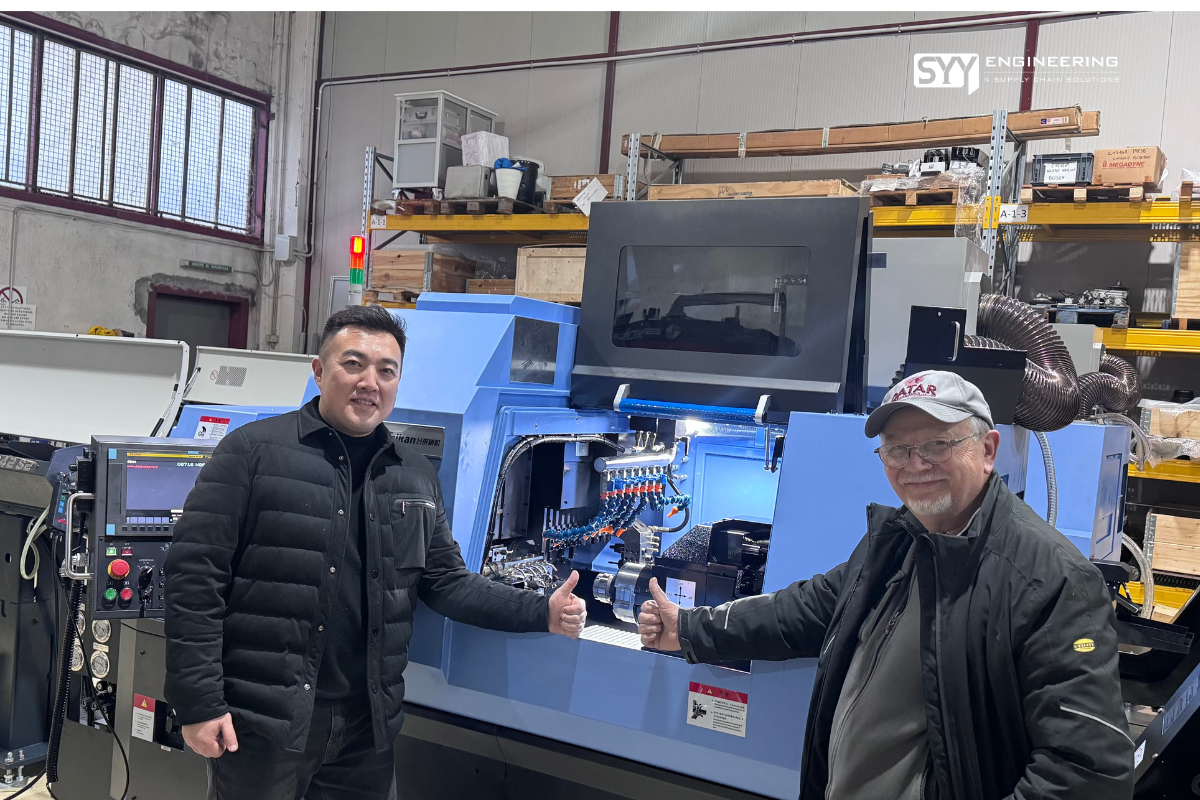
On-site coordination ensures execution continuity
Why Execution Matters
In cross-border manufacturing, delivery is not the end.
It is the beginning of execution.
The key challenge is not individual technical capability, but the alignment between:
Engineering systems
Operational expectations
Execution processes
Many critical details only become visible on site.
Conclusion
The gap between factory validation and on-site execution is often underestimated.
Bridging this gap requires structured coordination, engineering alignment and continuous execution management.
This is where real project success is determined.
FAQ
1. What is the execution gap in manufacturing projects
The execution gap refers to the phase between factory validation and on-site integration, where alignment is often incomplete
2. Why do issues appear after machines arrive on site
Because real production conditions differ from factory validation environments
3. Is this a supplier problem
Not necessarily. Most issues come from the transition between systems rather than individual capability
4. How can execution risks be reduced
Through structured coordination, engineering alignment and on-site management
5. What does SYY do in this process
SYY ensures continuous execution alignment between all parties involved
CTA
Execution does not fail at the factory.
It fails in the gaps between systems.
SYY Engineering helps companies manage the transition from factory validation to on-site success.
Contact us to ensure your project runs smoothly from shipment to production.
Tags
Continue Reading
Explore related insights on the same topic.
Supplier Verification China: Why Most Supplier Decisions Fail Before Production — and What You’re Missing
Most supplier decisions in China fail before production even starts. Factories look convincing. Projects still fail. Because what you see during a visit is not what you get in execution.
Everyone Was Communicating — But The Project Never Really Moved
A European project remained active for nearly a year in China. Meetings, supplier replies, and factory visits continued — but execution never truly moved forward. The real issue was not communication,
Can China’s Zero-Carbon Factory Data Support EU Buyers?
Can China’s zero-carbon factory data support an EU buyer’s import, product, procurement or local-production decision? The answer depends on evidence scope, method, responsibility and validation.